
Crohn’s vs IBS: Symptoms, Key Differences, and the Tests GIs Use
By the Aidy Editorial Team
First Published Nov 30, 2025Last Updated Aug 4, 2026
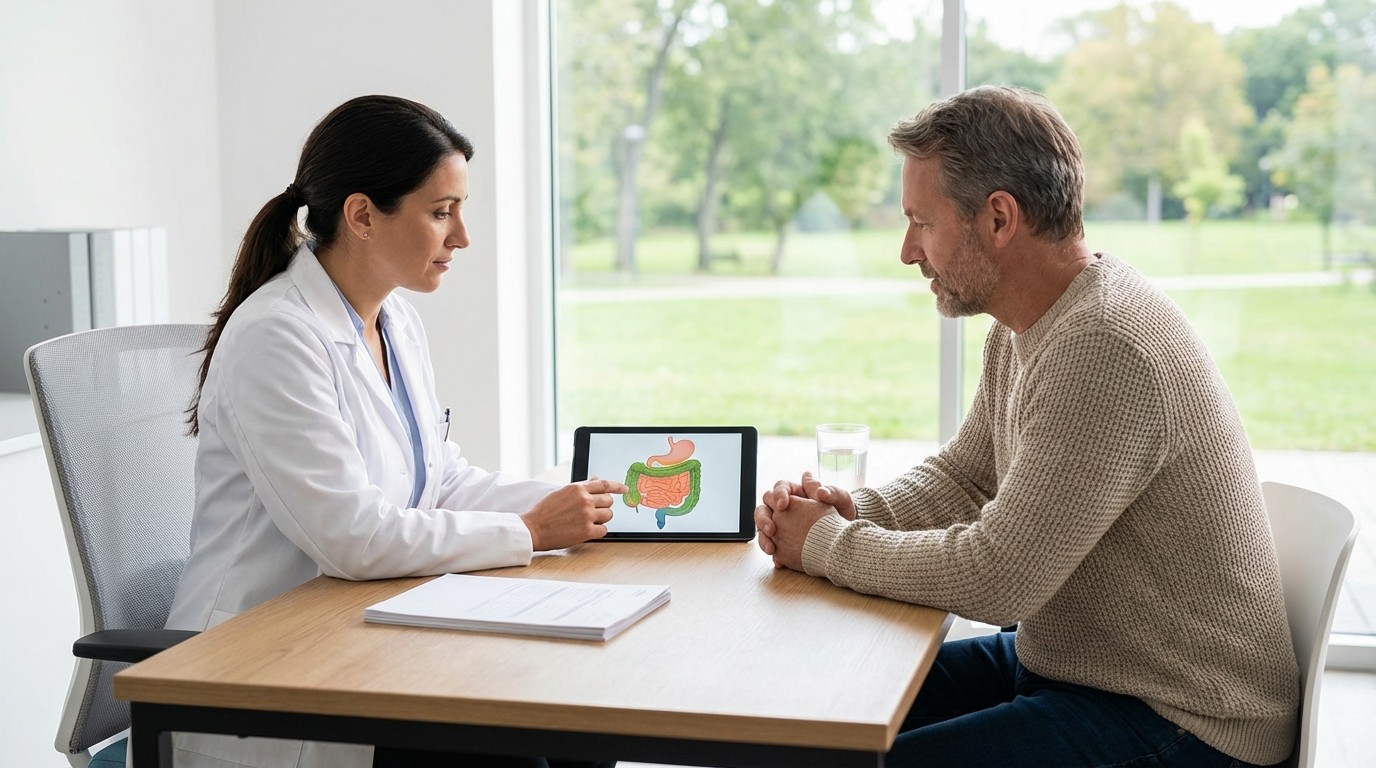
Digestive symptoms like belly pain, diarrhea, constipation, and bloating can be scary and exhausting, especially when the cause is unclear. A common comparison is Crohn’s vs IBS (irritable bowel syndrome). They can feel similar day to day, but they are not the same condition. Crohn’s disease is a form of inflammatory bowel disease (IBD) , which means there is ongoing inflammation that can be seen on testing and can damage the digestive tract over time. IBS is considered a separate, noninflammatory condition, where symptoms are real but do not come from ongoing tissue injury. [1]
Crohn’s symptoms vs IBS: what overlaps, and what tends to be different
Both Crohn’s and IBS can involve cramping, abdominal pain, diarrhea, and an urgent need to use the bathroom. That overlap is a big reason that “IBD vs IBS” confusion is so common early on. With Crohn’s, symptoms often reflect inflammation and can include diarrhea, belly pain and cramping, fever, fatigue, blood in the stool, reduced appetite and weight loss, mouth sores, and pain or drainage near the anus (which can happen with inflammation around the rectum). Crohn’s can affect different parts of the digestive tract, so symptoms can vary a lot from one person to another. [2]
With IBS, symptoms often center on patterns such as belly pain with bowel changes (diarrhea, constipation, or both), bloating, and gas. IBS does not cause visible damage to bowel tissue, and it does not increase colorectal cancer risk. Many clinicians also look for “alarm features” that suggest something other than IBS, such as weight loss, diarrhea at night, rectal bleeding, iron-deficiency anemia, unexplained vomiting, or pain that is not relieved by passing stool or gas. [3]
One simplified way to think about Crohn’s vs IBS is that Crohn’s (IBD) can cause destructive inflammation and lasting harm that may show up on imaging or a scope, while IBS typically does not show inflammation on exam. [4]
The tests GIs use to confirm inflammation (stool, blood, scope, imaging)
Because symptoms overlap, gastroenterologists (GI doctors) usually combine symptom history with tests that look for inflammation and rule out other causes. IBS is often diagnosed using symptom-based standards called the Rome IV criteria , which require recurrent abdominal pain (on average at least 1 day per week in the last 3 months) plus specific links to bowel movements and stool changes, with symptoms starting at least 6 months before diagnosis. [5]
For “fecal calprotectin IBS vs IBD ,” fecal calprotectin is a stool test that helps estimate intestinal inflammation. It is recommended in some care pathways as an option to help distinguish inflammatory bowel diseases (like Crohn’s) from non-inflammatory conditions (like IBS) , especially when symptoms look similar. [6]
If Crohn’s is a concern, GI doctors may use several test types together, since there is no single perfect test. Common steps include blood tests (for anemia and inflammation markers such as C-reactive protein, or CRP), stool tests (to look for inflammation and to rule out certain infections), and endoscopy (such as colonoscopy) where biopsies can be taken. Imaging may also be used, including computed tomography (CT) and magnetic resonance imaging (MRI) , and sometimes capsule endoscopy to look at parts of the small intestine that are harder to reach. [7]
Regarding “CRP Crohn’s ,” CRP is a blood test that measures inflammation somewhere in the body, but it cannot confirm that inflammation is from Crohn’s or even from the gut. It is one piece of the larger puzzle. [8]
References
This article is for educational purposes and is not medical advice. It is researched against current AGA clinical guidelines and peer-reviewed sources. Always discuss treatment decisions with your care team.