
Endometriosis vs IBS: Overlapping Symptoms and Clues You Shouldn’t Ignore
By the Aidy Editorial Team
First Published Oct 8, 2025Last Updated Aug 4, 2026
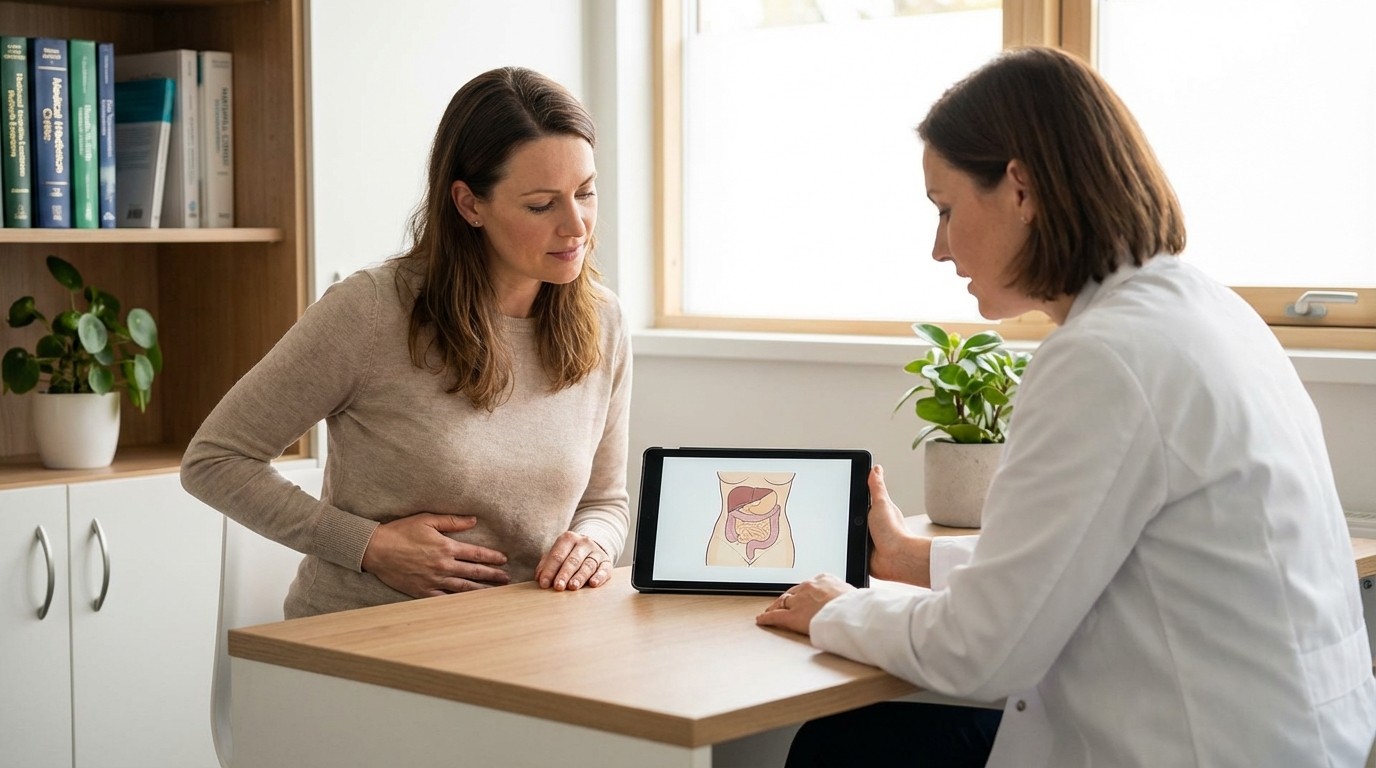
Digestive symptoms that look like irritable bowel syndrome (IBS) can sometimes come from a gynecologic condition such as endometriosis. This overlap is a common reason for misdiagnosed IBS , especially when pain and bathroom changes come and go. Learning a few patterns that tend to separate endometriosis vs IBS can help make medical visits more focused and less frustrating.
Why endometriosis and IBS get mixed up
IBS is a long-term condition where certain symptoms tend to travel together: belly (abdominal) pain that is often connected to bowel movements, plus changes in stool (diarrhea, constipation, or both). Bloating, a “not finished” feeling after a bowel movement, and mucus in stool can also show up. Many people notice symptoms flare at certain times, including around menstruation. Importantly, IBS does not cause visible damage to the digestive tract, even though the symptoms can feel intense. [1]
Endometriosis happens when tissue similar to the lining of the uterus grows outside the uterus. It can cause pelvic pain that may worsen around periods, pain with sex, pain with bowel movements or urination (often before or during a period), heavy bleeding, and sometimes infertility. Digestive symptoms are also common, including diarrhea, constipation, bloating, nausea, and fatigue, especially around the menstrual cycle. This is why pelvic pain and IBS symptoms can seem almost identical on the surface, and why a person can feel dismissed if only one body system is considered. Endometriosis and IBS can also exist at the same time, which makes symptoms harder to sort out. [2]
Clues worth discussing with an OB-GYN or GI, plus what to track
One helpful clue is timing. With endometriosis, symptoms may be “cyclical,” meaning they often worsen before and during a period and then improve. Pain may be felt in the pelvis or lower abdomen, and can include pain during bowel movements (sometimes described as bowel endometriosis symptoms), along with bowel or bladder symptoms. Some people also report abnormal bleeding. [3]
Bloating can add to the confusion. Hormone shifts across the menstrual cycle can affect gastrointestinal (GI) function in general, and endometriosis is linked with a high rate of GI symptoms, including severe bloating sometimes nicknamed bloating endometriosis or “endo belly.” [4]
At the same time, certain symptoms are less typical for IBS and should be clearly mentioned to a clinician, especially blood in stool, weight loss, or waking at night to have bowel movements. [5]
Helpful questions to bring to an OB-GYN or gastroenterologist (GI) appointment include:
- “Could symptoms be related to the menstrual cycle or a pelvic condition such as endometriosis?”
- “Do symptoms suggest bowel involvement, and what evaluations help clarify that?”
- “Are there warning signs that mean something other than IBS should be ruled out first?”
- “Which specialist should coordinate next steps if both IBS and endometriosis are possible?”
For the clearest story, symptom tracking matters. Logging cycle day, bleeding, pain location, bowel movements, and bloating can reveal patterns such as period-related diarrhea or pain that consistently peaks around menstruation. Consider tracking symptom timing in Aidy to create a simple timeline that can be shared with both an OB-GYN and a GI clinician. [6]
References
This article is for educational purposes and is not medical advice. It is researched against current AGA clinical guidelines and peer-reviewed sources. Always discuss treatment decisions with your care team.