
Low-Fiber vs Low-Residue Diet: What UC Patients Mean When They Say “Bland Foods”
By the Aidy Editorial Team
First Published Nov 4, 2025Last Updated Aug 4, 2026
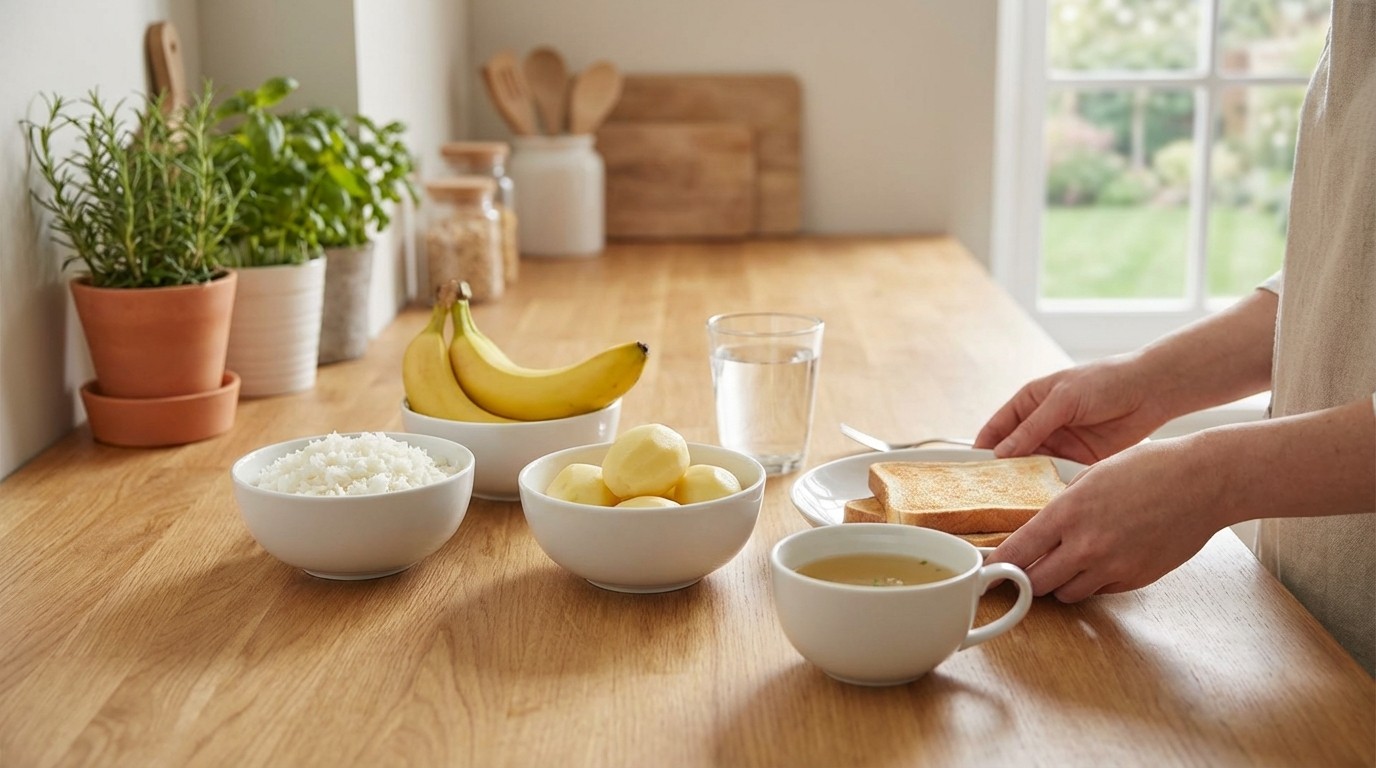
When ulcerative colitis (UC) symptoms flare, many people describe eating “bland foods.” In practice, that usually means choosing softer, easier-to-digest options for a short time, often by lowering fiber and avoiding foods that seem to increase urgency or bowel movements. The confusing part is that “low-fiber,” “low-residue,” and “bland diet” get used interchangeably, even though they are not always the same thing. Clarifying this flare diet terminology can make conversations with a gastroenterology team or dietitian much easier.
Low-fiber vs low-residue: what’s the difference (and why it matters in UC flares)
A low-fiber diet is mainly about reducing fiber, especially rough, bulky fibers that can increase stool volume. A low-residue diet is often described as low-fiber plus extra limits designed to reduce “residue,” meaning material that can contribute to stool and stool bulk. In other words, when people search what is low residue diet , the practical answer is often “a stricter, more specific version of low fiber,” especially during a UC flare.
In UC, clinicians may suggest a low residue diet ulcerative colitis approach temporarily to ease symptoms such as diarrhea and abdominal pain. One major health system describes using a low-residue diet during UC flares and also notes that certain items (like prunes and caffeinated beverages) can increase stool output, which is why they are often minimized during a flare plan. [1]
The “residue” label can also include foods that are not high in fiber but may linger or be harder to tolerate for some people during a flare. For example, one IBD patient organization notes that low-residue plans often limit tough high-fiber foods (skins, nuts, seeds, whole grains) and may also limit milk, while also emphasizing that there is not high-quality evidence that a low-residue diet reliably improves flare symptoms for everyone. [2]
What “bland foods” can look like (a simple foods list low residue), and how to keep it temporary
“Bland diet UC ” usually means foods that are mild in taste and gentle in texture, not spicy, not greasy, and not crunchy. A large academic IBD program notes that many people shift toward bland foods during a flare, naming options like rice, toast, bananas, applesauce, broth-based soups, and nutrition drinks, and it also explains that a low-residue diet limits fiber and other hard-to-digest material to help reduce stool size and frequency. [3]
A practical foods list low residue often includes:
- Refined grains like white bread, white rice, plain pasta
- Protein foods that are tender and well-cooked (eggs, fish, poultry)
- Cooked, soft fruits and vegetables without skins or seeds (often tolerated better than raw)
- Broths and smoother soups
During active inflammation, nutrition still matters. One hospital-based nutrition resource highlights that lowering fiber can be easier on the gut during flare symptoms like pain or diarrhea, and it also notes that inflammation can increase protein needs, so protein-containing foods may be important to prioritize as tolerated. [4]
Because low-fiber diet UC or low-residue patterns can be restrictive, they are usually treated as short-term tools , then broadened again when symptoms calm. A patient organization also emphasizes that no single food or diet causes, prevents, or cures inflammatory bowel disease (IBD), but certain foods can feel worse during flares, and tracking patterns with a food diary can help identify personal triggers. [5]
References
This article is for educational purposes and is not medical advice. It is researched against current AGA clinical guidelines and peer-reviewed sources. Always discuss treatment decisions with your care team.