
Colonoscopy Prep With UC: Tips That Actually Help
By the Aidy Editorial Team
First Published Feb 22, 2026Last Updated Aug 4, 2026
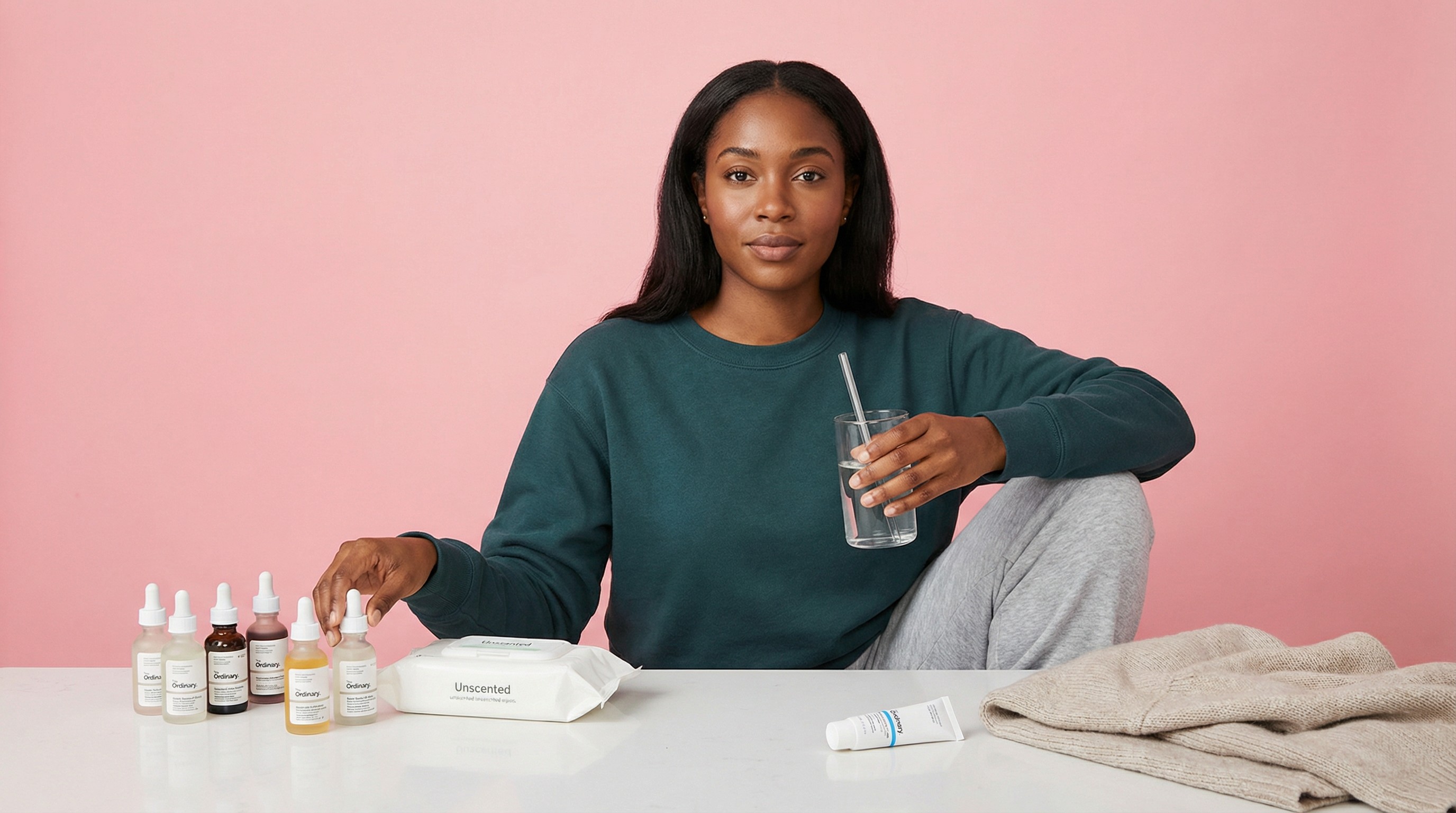
If you have ulcerative colitis (UC), you already know that colonoscopy prep is a different experience for you than it is for the average patient. Generic advice like "drink lots of fluids" and "stay near a bathroom" barely scratches the surface. When you're dealing with active rectal inflammation, bloody stools, and the anxiety of yet another surveillance scope, prep day demands a more specific game plan. Here's what actually helps when you're prepping for a colonoscopy with UC.
Talk to Your GI About a Low-Volume or Split-Dose Prep
The prep solution itself can make or break your experience. Standard high-volume polyethylene glycol (PEG) preps require drinking up to four liters of liquid, which is hard enough for a healthy person. For someone with UC, that volume can trigger nausea, cramping, and worsened inflammation. Research shows that low-volume preparations have better compliance, tolerance, and acceptance compared to high-volume options, and that IBD patients can tolerate split-dose low-volume PEG preparations well.
A split-dose approach, where you drink half the prep the evening before and the other half early the morning of your procedure, is now preferred by nearly all gastroenterologists. It reduces nausea and often produces a cleaner prep. If your doctor hasn't already suggested this, ask about it. You can also ask whether drinking smaller amounts over a longer window is an option, as this tends to be better tolerated without sacrificing prep quality.
One important note: some saline-based laxatives can irritate the intestinal mucosa, which is the last thing you need with active colitis. PEG-based solutions are generally the gentler choice because the PEG molecule does not disturb the mucosal lining. Make sure your gastroenterologist knows about your current symptom levels so they can choose the right formulation.
Protect Your Skin Before You Start
This is the tip UC patients wish they had heard sooner. When you already have rectal inflammation, the repeated bathroom trips during prep can turn painful fast. The combination of frequent wiping and acidic stool creates raw, burning skin that makes the whole process significantly harder to get through.
Start applying a barrier cream like zinc oxide (sold as diaper rash cream), Vaseline, or even coconut oil to your perianal area before you take your first sip of prep solution. Reapply after every bowel movement. This creates a protective layer that prevents the worst of the irritation. Switch from toilet paper to unscented baby wipes or a bidet if you have one. The reduced friction makes a real difference when you're making 15 or more trips to the bathroom.
If you have active proctitis or rectal inflammation, consider asking your doctor whether a short course of rectal therapy (like a mesalamine suppository) in the days leading up to your prep might help calm things down beforehand.
Manage the Prep Solution Itself
Taste and temperature matter more than people realize. Keeping your prep solution refrigerated for several hours before drinking it can significantly improve tolerability, as warm prep is noticeably harder to get down. Some patients put the solution in the freezer briefly for a quick chill, though you want to avoid letting it freeze solid.
Drinking through a straw placed toward the back of your mouth can help bypass your taste buds. Sucking on a hard candy or having a small sip of a clear, flavored drink between gulps can also cut the aftertaste. Just check with your doctor's office about which clear liquids and candies are acceptable, as color restrictions (typically no red or purple) apply.
Plan Around Your UC Symptoms
If you're in an active flare, your prep experience will differ from someone in remission. You may already be having frequent loose stools, which means you could "clear" faster than expected. Let your GI team know about your current disease activity, because they may adjust your prep instructions accordingly.
Worth knowing: if your UC is severely active, your doctor may opt for a flexible sigmoidoscopy instead of a full colonoscopy to reduce the risk of complications like bowel perforation. This is a safety decision, and it means less prep and a shorter procedure.
For those with long-standing UC, surveillance colonoscopies are a regular part of life. Current guidelines recommend beginning dysplasia screening eight to ten years after diagnosis, with follow-up every one to five years depending on your individual risk factors. Knowing your surveillance schedule helps you plan ahead and take steps to make each prep as manageable as possible.
Track Your Symptoms to Give Your GI the Full Picture
Your colonoscopy gives your gastroenterologist a snapshot of your colon on one specific day. What it cannot show is how your symptoms have behaved in the weeks and months between scopes. Track your symptoms before and after your colonoscopy with Aidy to give your GI a complete picture of your disease activity between scopes. Having a clear record of stool frequency, urgency, bleeding, and pain patterns gives your doctor the context they need to make better treatment decisions, whether that means adjusting your medication, changing your surveillance interval, or both.
This article is for educational purposes and is not medical advice. It is researched against current AGA clinical guidelines and peer-reviewed sources. Always discuss treatment decisions with your care team.