
Colonoscopy Prep With Crohn's: Tips That Actually Help
By the Aidy Editorial Team
First Published Feb 21, 2026Last Updated Aug 4, 2026
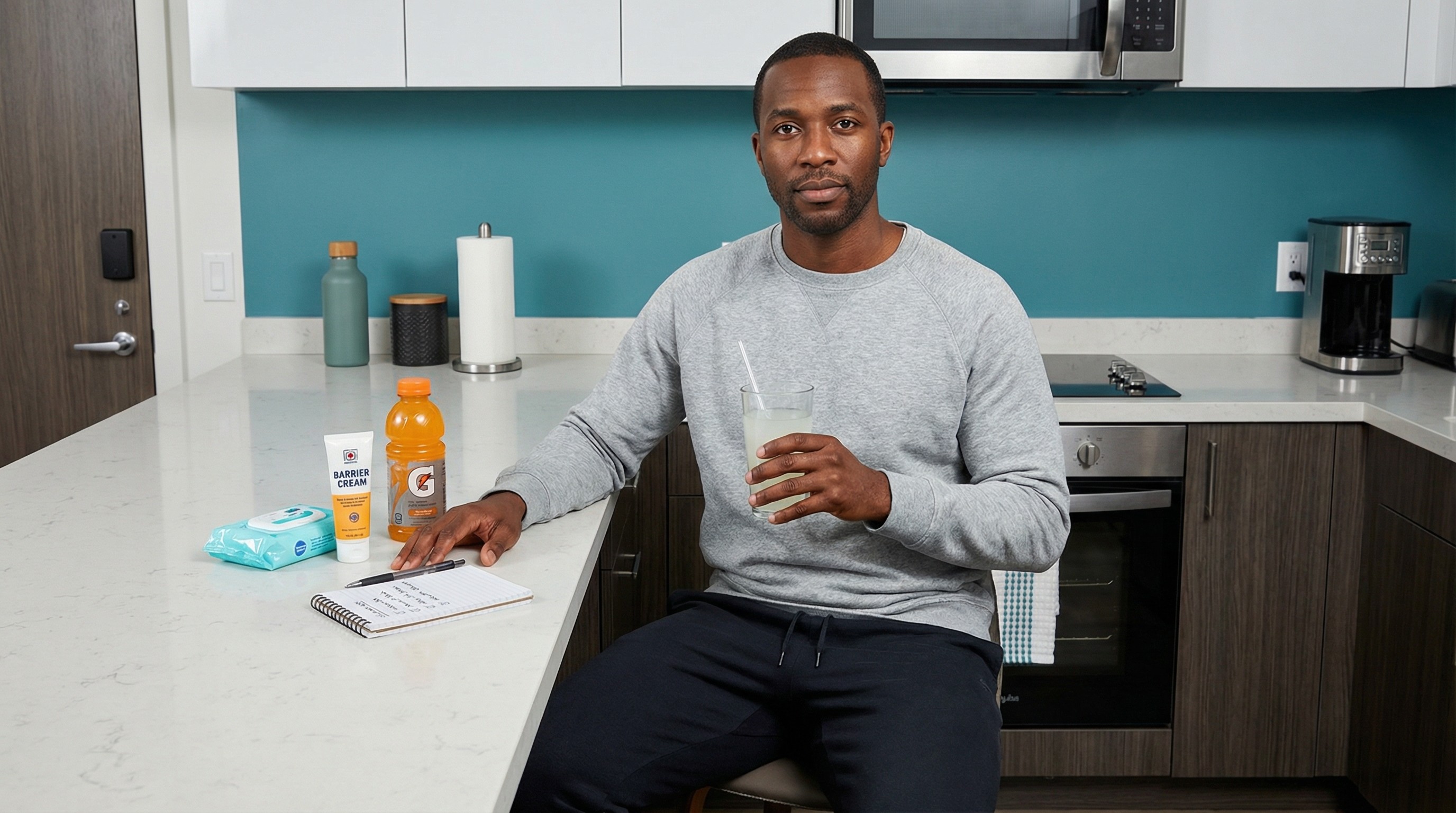
If you have Crohn's disease, colonoscopy prep is more than just an unpleasant night before a procedure. It can be a source of real anxiety, especially when you're dealing with active inflammation, narrowed segments of bowel, or the aftereffects of prior surgeries. Generic prep advice rarely accounts for these realities. This guide covers what Crohn's patients specifically need to know, from choosing a prep formula to managing complications like strictures, so you can go into your next scope feeling more prepared.
Talk to Your GI About Your Prep Options Early
Not all colonoscopy prep formulas are the same, and the best one for you depends on your disease history. Traditional high-volume polyethylene glycol (PEG) preps require drinking up to four liters of solution, which can be difficult for Crohn's patients already dealing with nausea or cramping. Current consensus recommendations from the US Multi-Society Task Force on Colorectal Cancer favor split-dose, low-volume preps (two liters or less) that offer comparable bowel cleanliness with better tolerability. Newer formulations based on magnesium citrate with sodium picosulphate, oral sulfate solutions, or ascorbic acid combinations can bring the total volume down to as little as one liter. Ask your gastroenterologist which low-volume colonoscopy prep is appropriate for your situation, particularly if you have kidney disease or electrolyte concerns. Having this conversation at least two weeks before your procedure gives you time to fill prescriptions and ask follow-up questions.
Adjusting Your Diet Before Prep Day
Most colonoscopy prep instructions call for a clear liquid diet the day before the procedure, but Crohn's patients often benefit from starting dietary modifications earlier. Switching to a low-fiber diet five to seven days before your colonoscopy can reduce residue in your colon and make the actual prep night more effective. This means avoiding raw fruits and vegetables, seeds, nuts, whole grains, and high-fiber cereals. Instead, focus on foods like white rice, eggs, cooked and peeled vegetables, chicken, fish, and smooth soups. On your clear liquid day, stick to broth, clear juices (apple, white grape), gelatin, and water. Avoid anything red, orange, or purple, as these dyes can mimic the appearance of blood during the procedure. The Crohn's & Colitis Foundation recommends reviewing your specific prep instructions well ahead of time so you can plan meals and avoid last-minute confusion.
Prep Considerations for Strictures and Prior Surgeries
Crohn's patients with known or suspected strictures face additional risks during bowel prep. A large volume of liquid moving through a narrowed segment of intestine can cause significant pain, bloating, or, in rare cases, a bowel obstruction. If you have a history of stricturing disease, let your GI team know before they prescribe a prep formula. They may recommend a longer period on a low-residue or liquid diet beforehand, a lower-volume solution, or closer monitoring during the prep process. Research published in Gastrointestinal Endoscopy notes that adequate bowel preparation in patients with partial obstruction or IBD can be particularly challenging and may require individualized protocols. If you have had prior bowel resections or short bowel anatomy, your absorption of the prep solution and your electrolyte balance may be affected. Report any vomiting, severe abdominal pain, or inability to keep the prep down to your care team, since these can signal an obstruction that requires medical attention.
Making the Prep Itself More Manageable
Even with the right formula and dietary lead-up, drinking the prep solution remains the hardest part for most people. A few practical approaches can help. Drinking through a straw bypasses many of your taste buds and makes each dose easier to get down. Chilling the liquid and following each sip with a clear, flavored drink (like lemon-lime sports drink) can reduce the gag reflex. Taking a split dose, with half the evening before and the rest early on the morning of the procedure, as recommended by current guidelines, tends to produce better bowel cleanliness and is easier to tolerate than drinking the full volume in one sitting. Stay close to a bathroom, keep wet wipes and barrier cream on hand, and ask your GI about anti-nausea medication if you have a history of vomiting during prep.
What to Expect During and After the Procedure
Colonoscopy for Crohn's disease often takes longer than a routine screening colonoscopy. Your gastroenterologist may need to take multiple biopsies, evaluate inflammation, and assess any strictures. In patients with stricturing disease, the endoscopist may use a pediatric colonoscope or gastroscope to navigate narrowed areas. Newer techniques, including high-definition imaging and chromoendoscopy, allow for better detection of subtle inflammation and dysplasia, which is particularly relevant for surveillance colonoscopies.
After the procedure, expect some bloating and gas. Resume eating gradually, starting with bland, easily digestible foods before returning to your normal diet. Some patients notice a temporary change in their symptoms in the days following a colonoscopy, so tracking how you feel before and after can provide useful information about your baseline disease activity.
Track your symptoms before and after your colonoscopy with Aidy to give your GI a complete picture of your disease activity between scopes.
This article is for educational purposes and is not medical advice. It is researched against current AGA clinical guidelines and peer-reviewed sources. Always discuss treatment decisions with your care team.