
Traveling With Crohn's Disease: A Practical Planning Guide
By the Aidy Editorial Team
First Published Feb 3, 2026Last Updated Aug 4, 2026
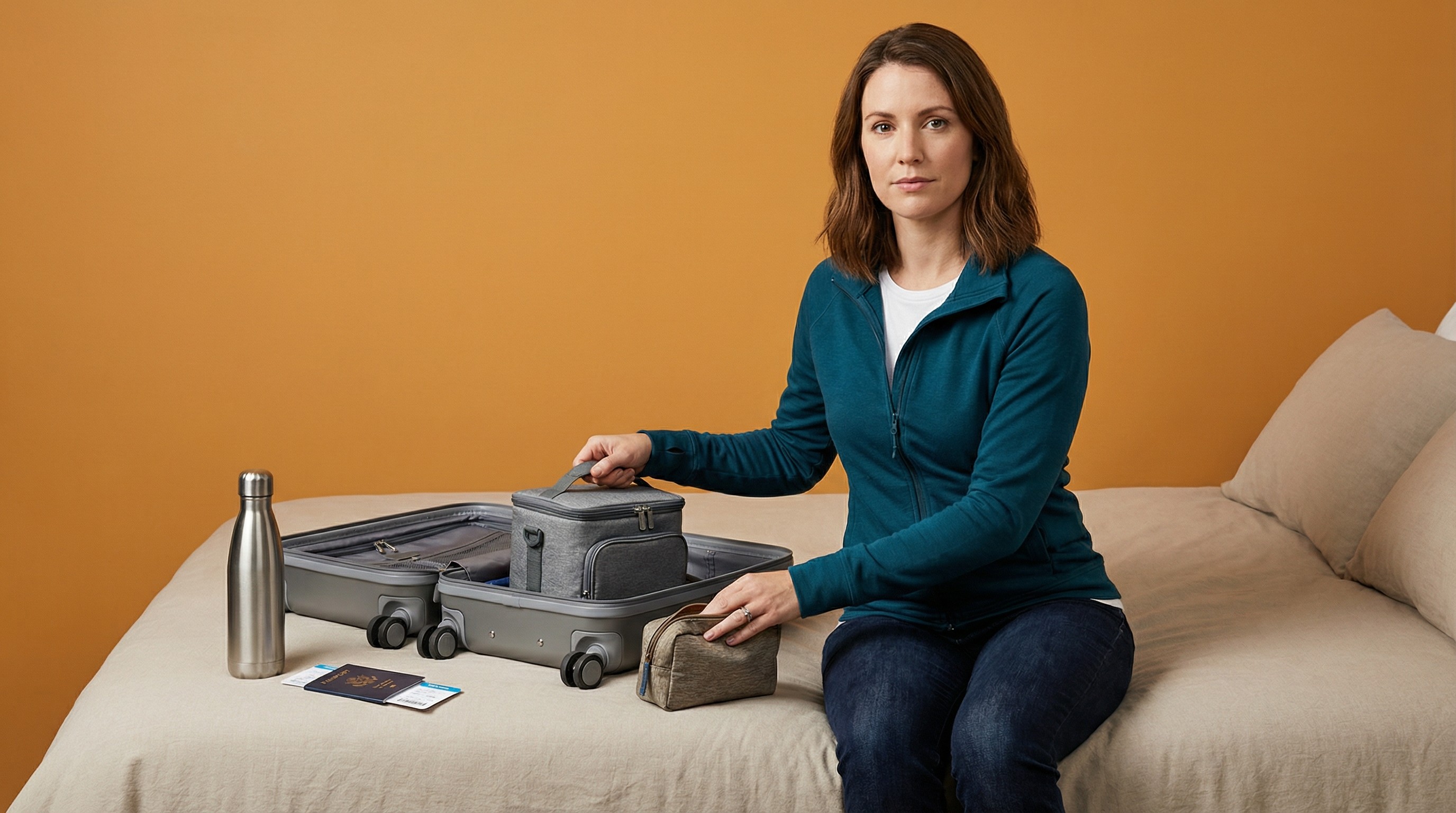
You want to travel. Crohn's disease makes that feel complicated, but it does not make it impossible. The difference between a trip that goes well and one that spirals into anxiety usually comes down to preparation, not luck. The good news is that most of the preparation is front-loaded. Once you build your systems for medication logistics, restroom planning, and emergency readiness, each subsequent trip gets easier. This guide walks through the full arc of travel preparation, from the weeks before departure through your return home.
Talk to Your Gastroenterologist Before You Book
Schedule a pre-travel appointment with your gastroenterologist at least six to eight weeks before your departure date. This timeline matters because some vaccinations require multiple doses over several weeks, and if you are on immunosuppressive therapy, certain live vaccines are contraindicated and need alternatives. Your doctor can also prescribe standby medications for managing a flare while you are away, including a short course of corticosteroids and antibiotics for traveler's diarrhea.
If you are traveling to a region where food and waterborne illness is common, this conversation becomes even more important. Research published in PMC shows that IBD patients on immunosuppressive therapy face a higher risk of infection from traveler's diarrhea than the general population. Your gastroenterologist may recommend prophylactic antibiotics or provide a prescription for ciprofloxacin or azithromycin to start at the first sign of symptoms. A visit to a travel medicine clinic, separate from your regular GI appointment, is worth considering for international trips to developing regions.
Managing the Biologic Cold Chain
If you take a self-injectable biologic like adalimumab, certolizumab, ustekinumab, or vedolizumab, temperature management during transit is one of the most important logistical details to get right. These medications must be kept between 2 and 8 degrees Celsius (roughly 35 to 46 degrees Fahrenheit), which means they cannot go in checked luggage, where cargo hold temperatures can drop below freezing and damage the medication.
Carry your biologics in a medical-grade insulated travel cooler in your carry-on bag. Gel ice packs work for shorter trips, but for long-haul flights, you may need to ask flight attendants for additional ice, since security checkpoints may not allow frozen gel packs through. Pack re-sealable plastic bags so you can hold loose ice if needed. Some patients use temperature-monitoring strips or digital thermometers inside their cooler to verify the medication stays within range.
When you arrive at your destination, confirm your accommodation has a refrigerator before you book. If you are staying at a hotel, call ahead and ask for a room with a mini-fridge or request that the front desk store your medication in their kitchen refrigerator. According to Crohn's & Colitis Canada, you should also carry a letter from your prescribing physician that confirms your need to transport injectable medication and needles through airport security.
Packing Your Emergency Flare Kit
An emergency flare kit is a small bag that stays with you at all times during travel, separate from your main luggage. The goal is to have everything you need within arm's reach if symptoms hit unexpectedly, whether you are on a plane, a bus, or walking through a city. According to WebMD, essential items include:
Wet wipes, barrier cream, and a change of underwear in a sealed bag
Electrolyte powder packets and any prescribed rescue medications
A printed copy of your doctor's letter, insurance card, and emergency contact numbers
Keep this kit in a compact pouch that fits inside a daypack or carry-on. The psychological benefit of having it with you is significant. Knowing you are prepared for a worst-case scenario makes it much easier to relax and enjoy your trip.
Navigating Flights and Long-Haul Transit
Flying with Crohn's presents a specific set of challenges. Cabin pressure changes, limited restroom access during turbulence or taxiing, and long periods of sitting can all provoke discomfort. When booking your flight, request an aisle seat near the rear of the aircraft, where restrooms are typically located and queues tend to be shorter.
Eat lightly in the hours before your flight. Stick to foods you know are safe for you rather than experimenting with airport food. Dehydration at altitude can worsen symptoms, so drink water consistently throughout the flight while being mindful that excessive fluid intake adds to restroom frequency. Some patients find that compression socks and periodic standing or stretching in the aisle help with the general physical discomfort of prolonged sitting, which can be especially relevant if you have perianal symptoms.
For layovers and airport transit, download a restroom finder app before you leave home. The Crohn's & Colitis Foundation's We Can't Wait app maps over 50,000 publicly accessible restrooms across the United States and includes a digital version of the "I Can't Wait" card, which you can show to request restroom access at businesses that do not normally offer public facilities. For international travel, apps like Flush and Toilet Finder cover a broader geographic range.
Travel Insurance and Medical Coverage
Standard travel insurance policies may not cover medical expenses related to Crohn's disease unless you explicitly declare it as a pre-existing condition. Failing to disclose your diagnosis, even if your disease is in remission, can void your coverage entirely if you need treatment abroad. According to IBD Passport, you should compare policies from multiple providers, as premiums and coverage limits vary significantly depending on your treatment history and recent disease activity.
When evaluating policies, look for coverage that includes emergency medical treatment, medical evacuation, and trip cancellation due to a flare. If you are on immunosuppressive therapy and traveling to a region with limited medical infrastructure, medical evacuation coverage is particularly important because Crohn's complications can occasionally require surgical intervention that may not be available at a local facility. Some policies also cover the cost of returning home early if your condition worsens, which provides an important safety net for longer trips.
Eating Safely at Your Destination
Dietary uncertainty is one of the most stressful parts of traveling with Crohn's. Unfamiliar ingredients, different food preparation standards, and the social pressure to eat what everyone else is eating can all trigger anxiety. The most effective strategy is to research restaurants and menus before you arrive. Most restaurants now post their menus online, and many list allergen and ingredient information that can help you identify safe options.
Pack a supply of foods you know you tolerate well, enough to cover at least the first day or two until you have scouted your options. Protein bars, nut butters, rice cakes, and other shelf-stable items work well. In destinations where tap water quality is uncertain, drink only bottled or boiled water and avoid ice, raw vegetables, and unpeeled fruit. These precautions matter more for Crohn's patients than for the average traveler because the combination of immunosuppressive therapy and an already-compromised gut barrier creates a higher risk of gastrointestinal infection.
Planning for Medical Access Abroad
Before you travel, ask your gastroenterologist for referrals or recommendations for GI specialists at your destination. The Crohn's & Colitis Foundation recommends having a list of local physicians and the nearest hospital with gastroenterology capabilities. For international travel, IBD Passport maintains a directory of IBD specialists organized by country.
Carry a brief medical summary that includes your diagnosis, current medications with dosages, surgical history, and your gastroenterologist's contact information. If you are traveling to a country where you do not speak the language, have this summary translated. In an emergency, this document can save critical time and prevent medication errors.
If your trip is longer than a few weeks, verify that your medication supply will last the entire trip. Some biologics require advance ordering, and getting a refill in another country can be complicated by different brand names, prescription requirements, and availability. Build in a buffer of at least one extra dose beyond what your trip schedule requires.
Tracking Patterns for Future Trips
Many Crohn's patients notice that travel itself affects their disease activity, but the specific triggers vary from person to person. For some, it is the stress of transit. For others, it is the time zone shift disrupting their medication schedule or sleep. Diet changes, altitude, and climate can all play a role. The only way to identify your personal patterns is to track your symptoms, diet, and activities during travel with the same consistency you would at home.
Track your symptoms while traveling with Aidy to identify whether travel itself triggers changes in your disease activity. Over time, this data helps you distinguish between true travel-related triggers and coincidental flares, which makes every future trip easier to plan and less stressful to take.
This article is for educational purposes and is not medical advice. It is researched against current AGA clinical guidelines and peer-reviewed sources. Always discuss treatment decisions with your care team.