
Exercise With Ulcerative Colitis: What's Safe and What Actually Helps
By the Aidy Editorial Team
First Published Feb 4, 2026Last Updated Aug 4, 2026
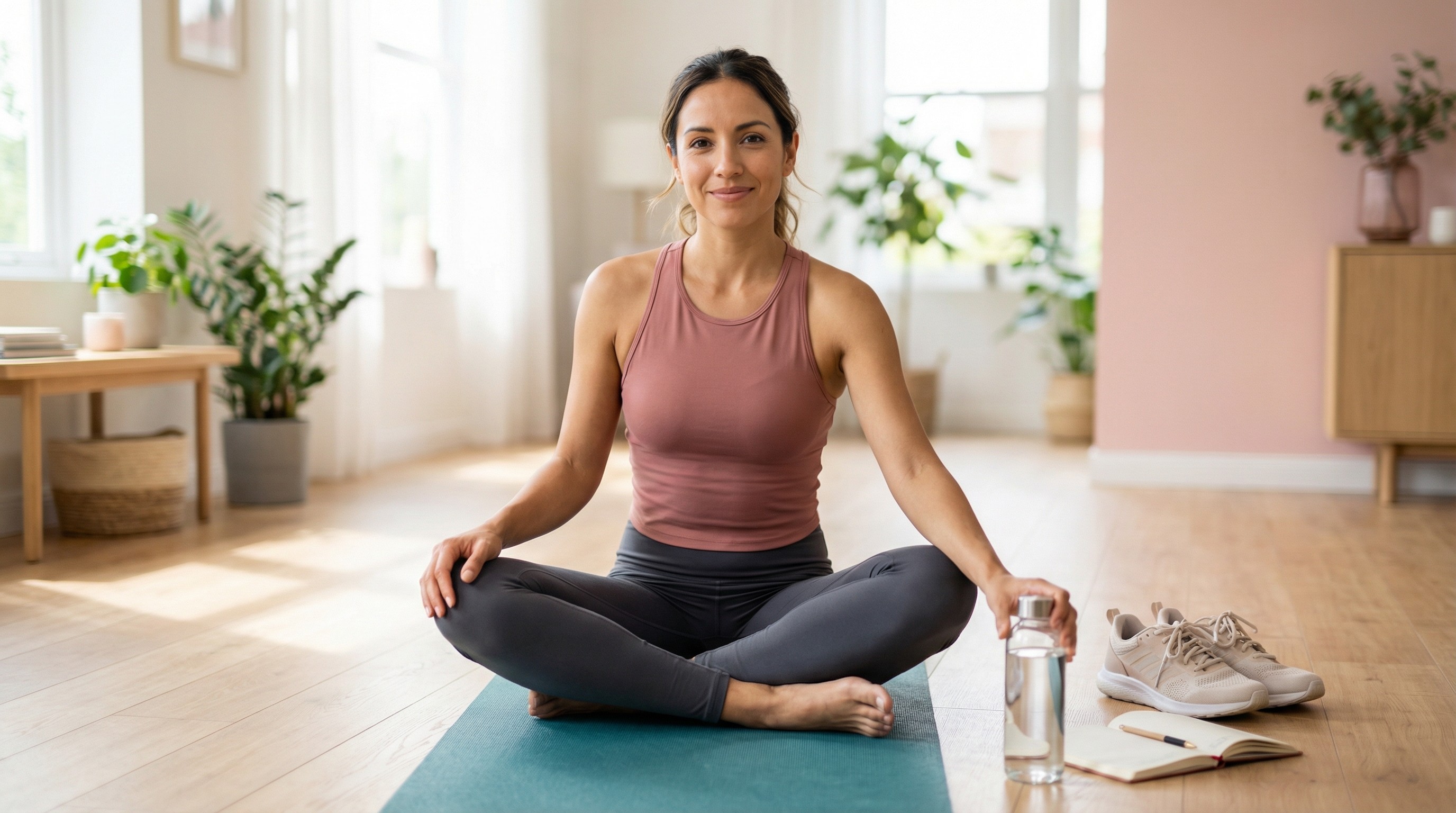
If you have ulcerative colitis and want to exercise, you've probably run into a frustrating gap between the advice you get ("exercise is good for you!") and the reality of managing unpredictable symptoms during a workout. The fear of urgency on a run, the anxiety of being far from a bathroom, the uncertainty of what's safe during a flare: these are real barriers that generic fitness advice doesn't address. The good news is that a growing body of research shows exercise is not only safe for most people with UC, but that specific activities offer measurable benefits for symptom management and quality of life. The key is matching the right activity to your current disease state.
What the Research Actually Shows
Multiple studies have demonstrated that structured exercise programs do not worsen disease activity in people with inflammatory bowel disease. A randomized controlled cross-over trial found that moderate-intensity combined aerobic and resistance training was safe for patients with quiescent IBD, and participants experienced reduced body fat, increased muscle mass, and improved physical fitness. A 2019 study in pediatric IBD patients found that prolonged moderate-intensity exercise reduced pro-inflammatory markers. And all studied inflammatory markers returned to baseline within 60 minutes after exercise, with no long-term complications reported.
This matters because many UC patients avoid exercise out of concern that it will trigger a flare. The evidence says otherwise: regular moderate activity may actually help maintain remission. One prospective study found that exercise decreased the risk of future active disease in IBD patients who were in remission.
Walking: The Foundation That Works in Any Disease State
Walking is the most popular exercise among people with IBD, and for good reason. It provides cardiovascular benefits without the intensity that can stimulate stress hormones or aggravate colon motility. Unlike higher-intensity activities, walking is unlikely to trigger urgency or other GI symptoms, making it a reliable option whether you're in remission or managing a mild flare.
If you're starting from a low activity level, the Crohn's & Colitis Foundation recommends beginning with five minutes of walking on level surfaces at a comfortable pace, then gradually increasing speed and duration. The goal is to work up to 30 to 45 minutes of brisk walking, four to five days per week. "Brisk" means breathing harder than normal but still able to carry on a conversation. Adding two to three minutes per week is a reasonable progression that lets you gauge how your body responds without overdoing it.
Yoga: The Activity With the Strongest UC-Specific Evidence
Of all the exercise types studied in ulcerative colitis specifically, yoga has the most direct evidence of benefit. A randomized clinical trial published in Alimentary Pharmacology & Therapeutics compared 12 weeks of yoga to written self-care advice in UC patients. The yoga group showed significantly higher disease-specific quality of life at both 12 and 24 weeks, and disease activity was lower in the yoga group after 24 weeks.
A secondary analysis of the same trial found that the mechanism appears to work through stress reduction: lower perceived stress was associated with both lower disease activity and higher quality of life. This makes yoga particularly relevant for UC, where psychological stress is a recognized trigger for flares. A 2024 randomized controlled trial confirmed these findings, showing that structured yoga practices significantly improved quality of life in UC patients in clinical remission compared to walking alone.
During a flare, yoga may still be appropriate when other activities are not. Gentle, restorative poses that don't put pressure on the abdomen can provide movement and stress relief without aggravating symptoms. Avoid inversions or deep twists if you're dealing with active inflammation or urgency.
Running With UC: It's About Route Planning, Not Avoidance
Running with ulcerative colitis is entirely possible, but it requires more practical planning than most fitness advice acknowledges. The primary concern is urgency: running stimulates colon motility, which can accelerate the need for a bathroom. This doesn't mean you should avoid running. It means you should plan for it.
The most practical strategy is route selection. Many runners with UC plan loops around areas with accessible restrooms rather than out-and-back routes that take them far from facilities. Bathroom-locator apps can help with outdoor route planning. Eating lightly before a run, or running on a relatively empty stomach, reduces the likelihood of GI symptoms. Loose, elastic waistband clothing makes quick bathroom stops easier and reduces abdominal pressure.
During remission, most UC patients can run at moderate intensity without issues. During a mild flare, consider shortening your distance, slowing your pace, or switching to a treadmill near a bathroom. During an active flare with frequent urgency, running is probably not the right choice, and walking or yoga are better options until symptoms settle.
Weightlifting and Resistance Training
Resistance training deserves more attention in the UC community than it typically gets. Many people with IBD struggle with low muscle mass due to the disease itself, medication side effects, or periods of inactivity during flares. Strength training directly addresses this by building and maintaining muscle, which supports bone density, metabolic health, and overall physical resilience.
During remission, standard resistance training programs are safe for most UC patients. The research on combined aerobic and resistance exercise in IBD has shown no increase in disease activity and positive changes in body composition. If you have a stoma or J-pouch, additional precautions apply. The Ostomy Canada Society recommends avoiding lifting more than 15 pounds for about six weeks after surgery and heavy lifting for at least three months. A hernia prevention belt can provide abdominal support during lifts and reduce the risk of parastomal hernia, which is one of the more serious complications for people with stomas. Always empty your ostomy bag before training and prioritize hydration, as dehydration risk is elevated with a stoma.
How to Adjust for Disease Activity
The single most useful framework for exercise with UC is adjusting intensity based on where you are in your disease cycle.
In remission , you have the widest range of options. Moderate-intensity cardio, resistance training, yoga, swimming, running, and team sports are all on the table. Aim for about 150 minutes of moderate activity per week, which is the same general recommendation for the broader population. This is the time to build your fitness baseline so you have a reserve to draw from during flares.
During a mild flare , scale back intensity but try to maintain some movement. Walking and gentle yoga are the safest choices. If you were running or lifting, reduce your volume and intensity by half and see how your body responds. Avoid exercises that put significant pressure on the abdomen or that take you far from a bathroom. Listen to your symptoms: if urgency increases during a session, stop and switch to something gentler.
During an active flare with frequent urgency, bloody stools, or significant fatigue, rest is appropriate. Short, gentle walks may still feel manageable and can help with mood and energy, but this is not the time to push. Focus on recovery, and resume your exercise routine gradually as symptoms improve.
Swimming: Benefits and Practical Considerations
Swimming is a low-impact, full-body exercise that research suggests may have anti-inflammatory effects in colitis. The buoyancy of water reduces joint stress, making it a good option for people dealing with the joint pain that sometimes accompanies IBD. During remission, swimming is a strong exercise choice with minimal risk of symptom aggravation.
The practical challenge with swimming is urgency management. Getting out of a pool and to a restroom quickly is harder than during land-based activities, and the anxiety around this can make pool sessions stressful. Choosing a pool with nearby, easily accessible changing rooms helps. Swimming during times when the pool is less crowded can reduce anxiety. If you have a stoma, you can swim with an ostomy bag, though using a smaller, waterproof pouch and securing it with a support belt is recommended. During active flares with frequent urgency, swimming is best postponed.
Start Where You Are
The most important thing about exercise with ulcerative colitis is that any movement counts. You don't need to commit to a rigorous program to see benefits. Research consistently shows that even modest, regular physical activity improves quality of life, reduces fatigue, and may help maintain remission. Start with what feels manageable today, whether that's a five-minute walk or a 20-minute yoga session, and adjust as your symptoms allow. Log your activity and symptoms in Aidy to see how exercise affects your UC. Many patients find that consistent movement improves their baseline, but the data will show you what works for your body.
This article is for educational purposes and is not medical advice. It is researched against current AGA clinical guidelines and peer-reviewed sources. Always discuss treatment decisions with your care team.