
Condition
Crohn's Disease
Clear, practical articles to help you understand Crohn's Disease symptoms, medications, flares, nutrition, and everyday disease management. Browse our articles below.

Sexual Health & Intimacy
Sexual health with IBD: get practical tips for pain, body image, communication and ostomy intimacy, including the 4 to 8-week surgery timeline.

Mental Health & IBD
Mental health and IBD are closely linked. Learn how CBT, mindfulness, professional care, peer support, and daily habits can ease anxiety and depression.
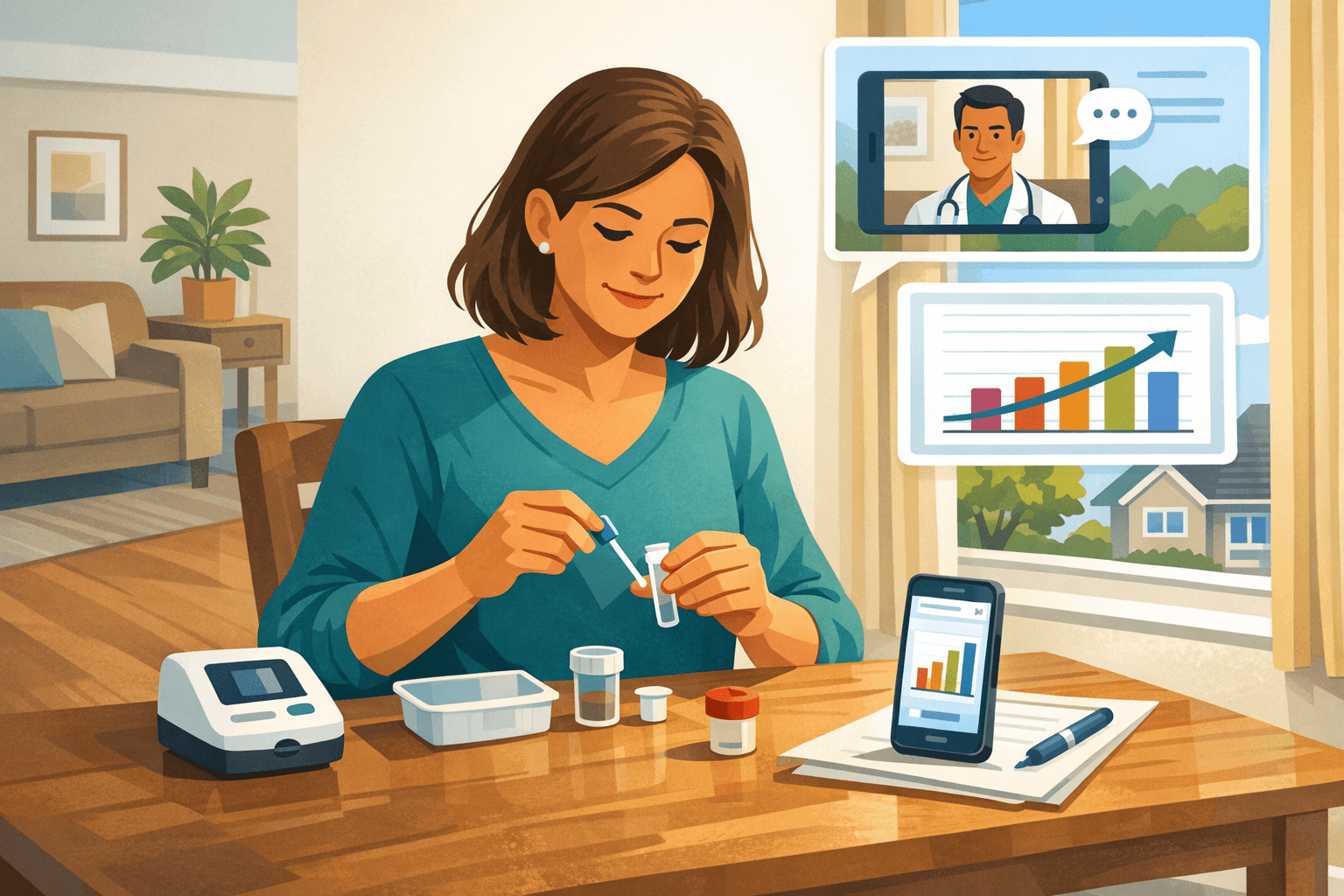
Home Fecal Calprotectin: A Practical Guide
Home fecal calprotectin testing: learn the 10–15-minute process, interpret common IBD ranges, track trends, and know when to contact your care team.

Anti-Integrin Therapy for IBD: Vedolizumab vs Natalizumab
Vedolizumab vs natalizumab for IBD: compare PML risk, gut selectivity, dosing schedules, onset and trial results before discussing treatment.

Biosimilars & Switching
Switching to biosimilars for IBD: see evidence from 85 publications, learn what interchangeability means, and know what stays the same after a switch.

Therapeutic Drug Monitoring (TDM)
Therapeutic drug monitoring for IBD measures biologic trough levels and antibodies. Learn how reactive and proactive TDM guide dosing or switching.
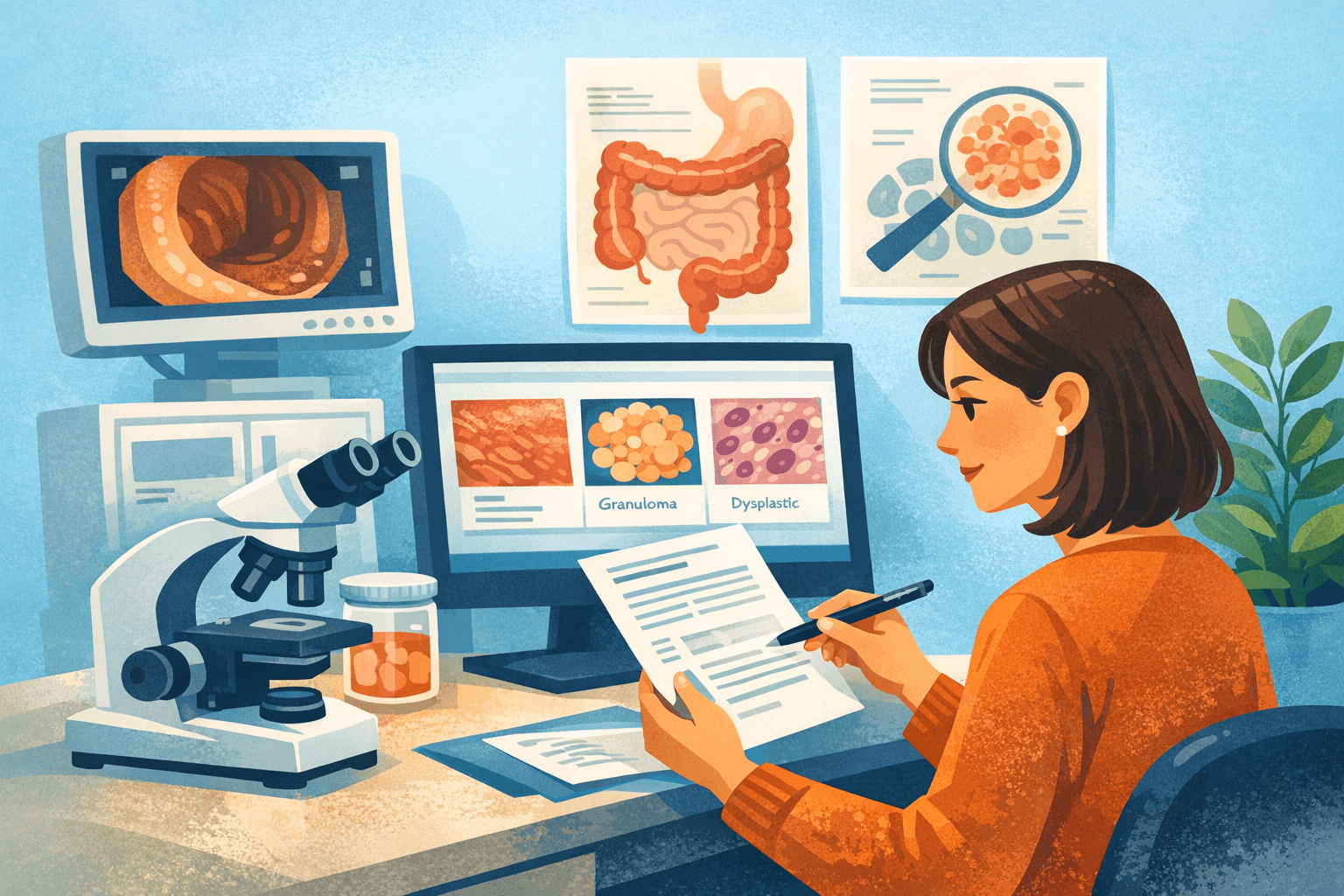
Reading Your Pathology Report
How to read a pathology report: understand chronicity, granulomas and dysplasia in IBD biopsies. Learn what results mean and what to ask your care team.
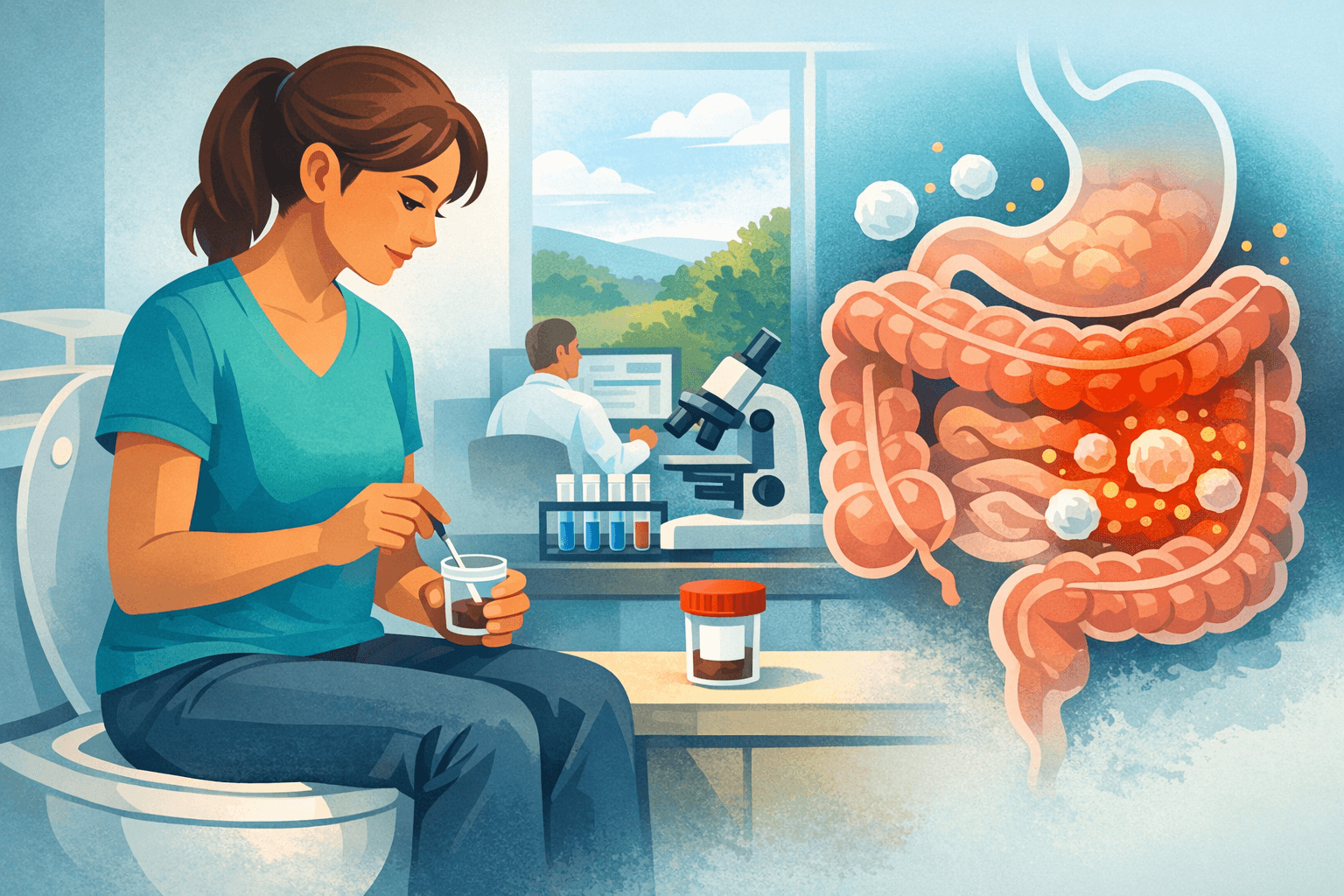
Stool Tests: Fecal Calprotectin
Fecal calprotectin test results explained: compare normal, borderline and high ranges, see how it helps separate IBD from IBS and what can raise levels.
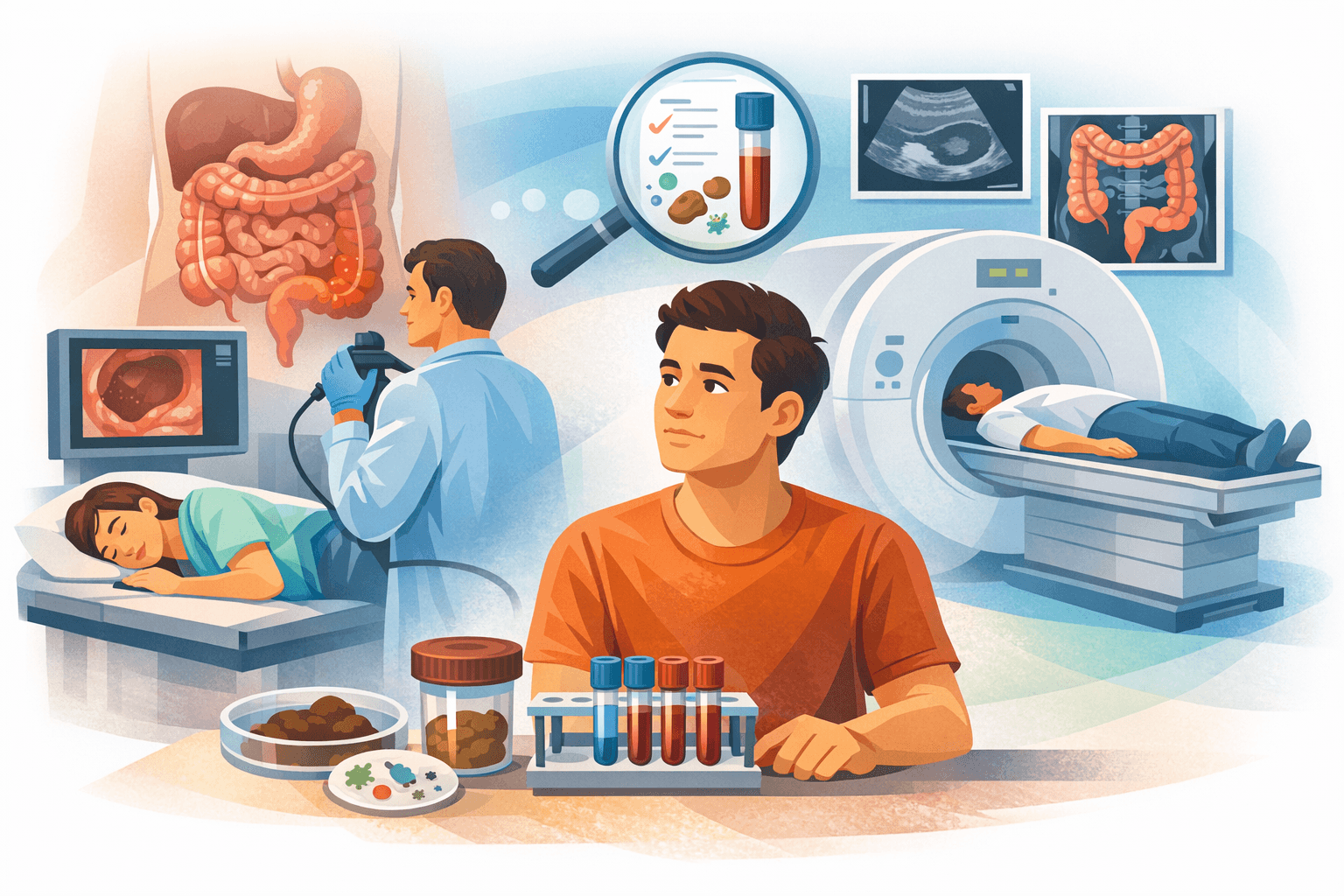
How IBD Is Diagnosed
How is IBD diagnosed? Learn how colonoscopy with biopsies, stool and blood tests, and MRE or CTE confirm inflammation and distinguish Crohn’s from UC.
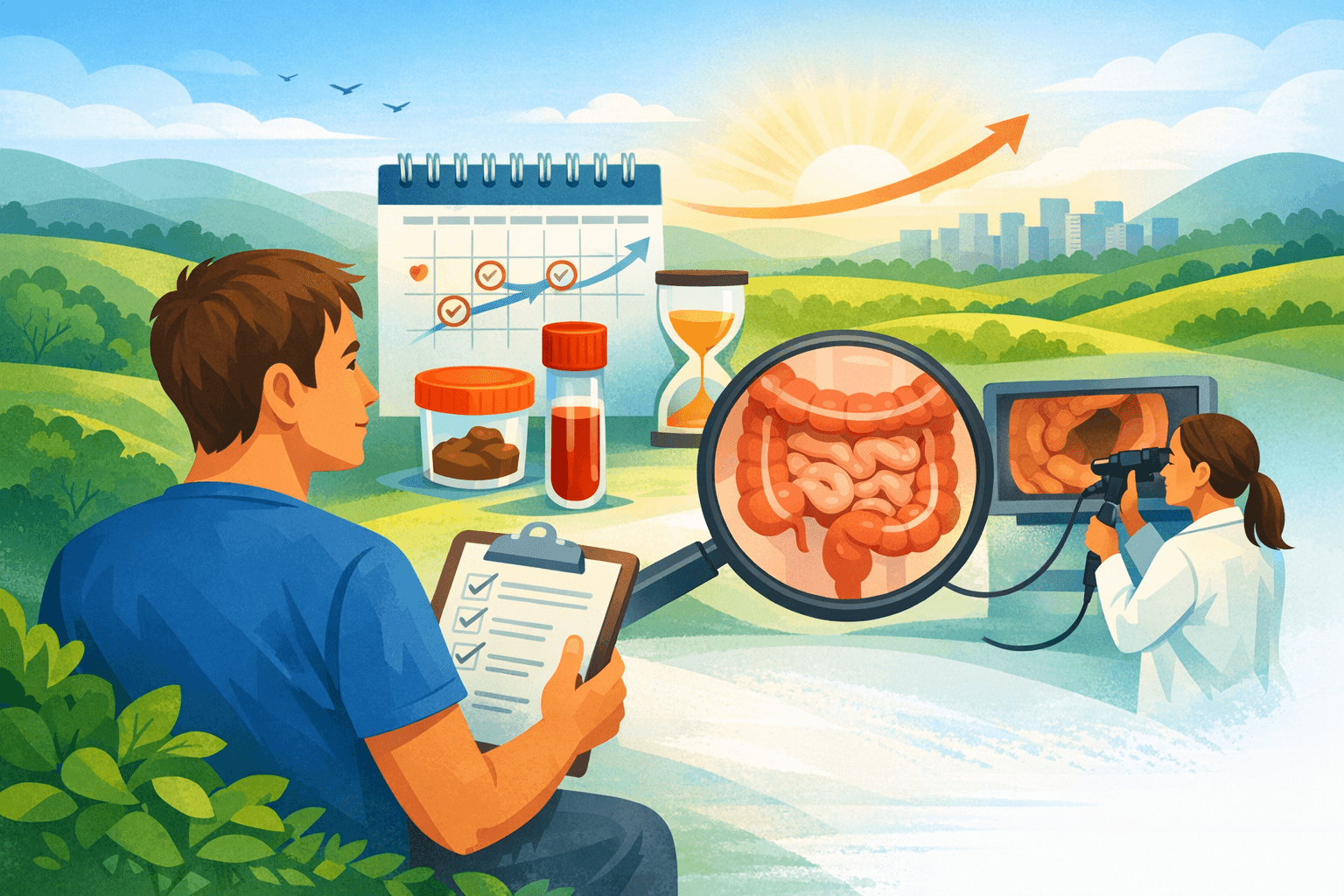
Monitoring Crohn’s Over Time
Crohn’s disease monitoring includes CRP and fecal calprotectin every 6-12 months in remission. Learn when scopes, imaging and closer checks are needed.

Diet & Nutrition in Crohn’s
Crohn's disease diet guidance for flares and remission: compare low-residue and Mediterranean eating, plus 6-8 weeks of EEN. Choose foods safely.
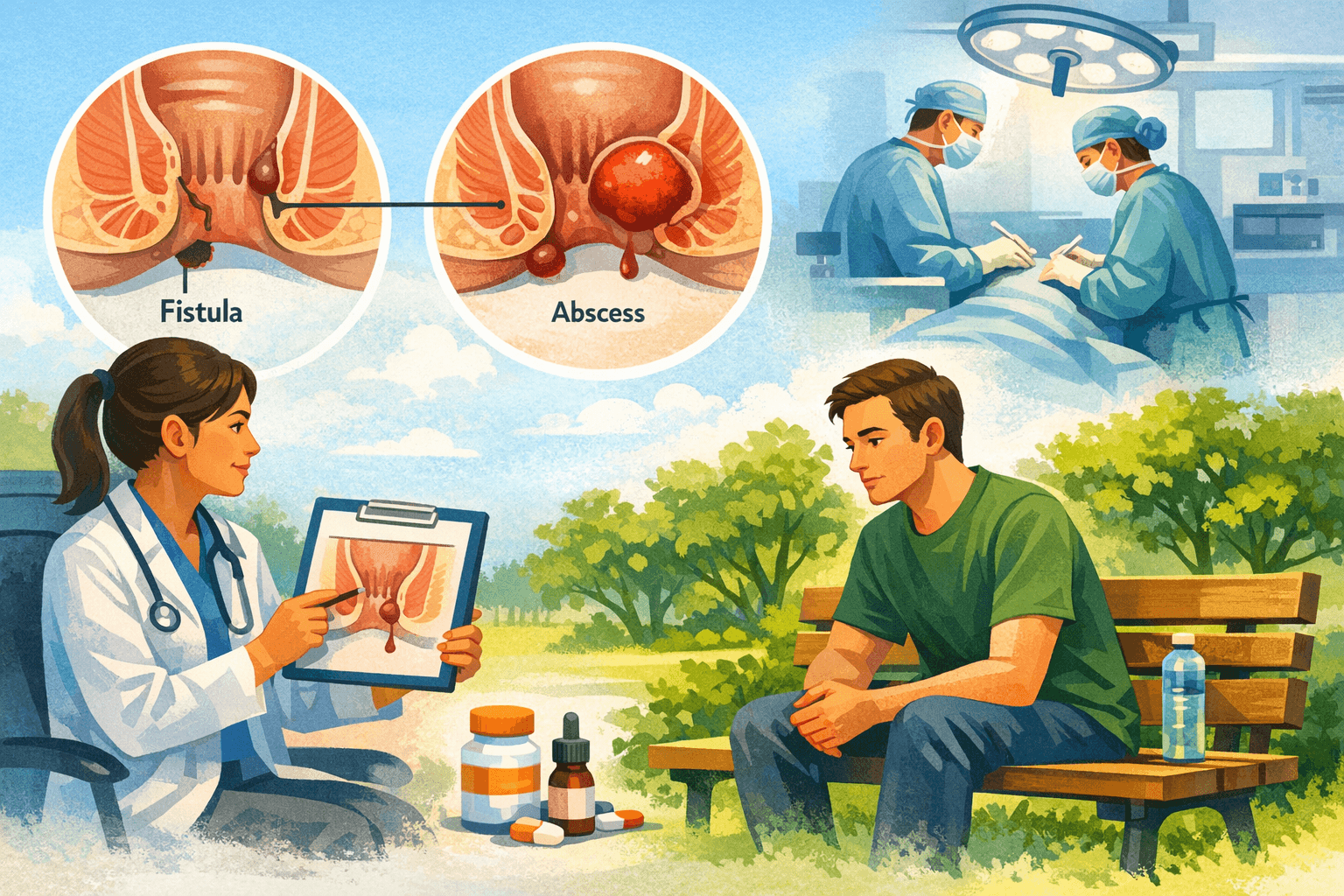
Perianal Crohn’s (Fistulas, Abscesses, Skin Tags)
Perianal Crohn’s disease can cause fistulas, abscesses and skin tags. Learn symptoms, MRI evaluation and treatment with drainage, setons and biologics.